
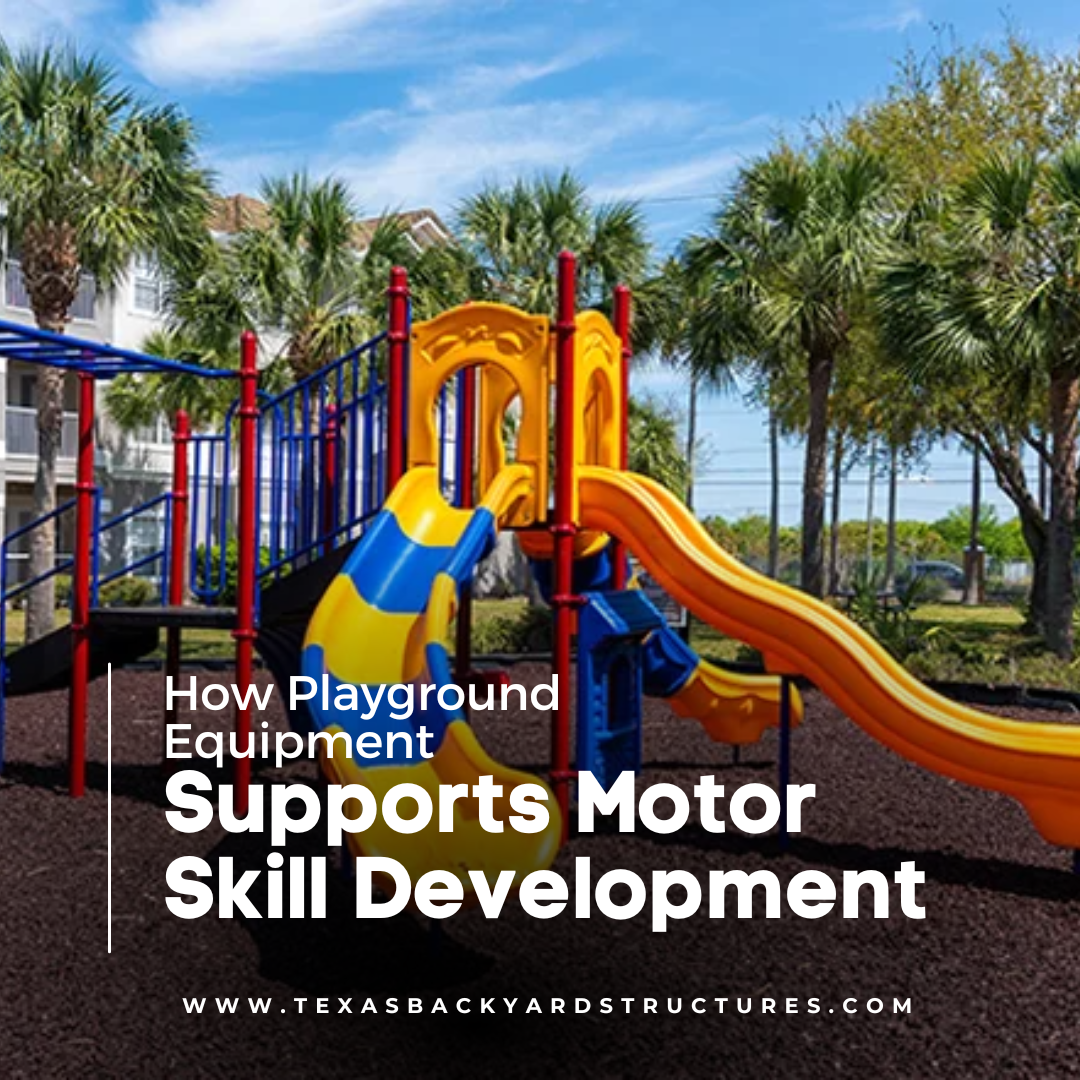
Playgrounds have always been more than just spaces for children to burn off energy. They’re environments designed to promote growth, creativity, and learning through play. One of the most significant benefits of playgrounds is their ability to support motor skill development in children. From swinging to climbing, every piece of playground equipment offers opportunities for kids to hone their physical capabilities, develop coordination, and build strength.
In this blog, we’ll explore how various types of playground equipment contribute to motor skill development, why this is crucial for childhood growth, and how playgrounds can be optimized to support diverse developmental needs.
What Are Motor Skills?
Motor skills are movements and actions of the muscles that are categorized into two types:
- Gross Motor Skills: These involve large muscle groups and include activities like running, jumping, climbing, and swinging. They are essential for overall strength, balance, and coordination.
- Fine Motor Skills: These involve smaller muscle movements, often requiring precision, such as gripping, writing, or manipulating small objects. Fine motor skills are crucial for tasks like writing, buttoning clothes, and using tools.
Both types of motor skills are essential for a child’s physical and cognitive development. Playgrounds offer unique environments where children can practice and refine these skills through engaging, unstructured play. Supporting motor skill development through play is a natural and enjoyable process for kids.
How Playground Equipment Supports Motor Skills
Different types of playground equipment target various motor skills, allowing children to develop a range of physical capabilities. Here’s a breakdown of how specific equipment supports motor skill development:
1. Swings
Swings are a playground staple and provide numerous developmental benefits:
- Gross Motor Skills: Pumping legs to gain momentum strengthens the leg muscles and improves coordination.
- Balance: Maintaining a seated position while swinging enhances core strength and stability.
- Spatial Awareness: Learning how to control their body in relation to the movement of the swing develops spatial awareness, aiding motor skill development.
2. Climbing Structures

Climbing walls, ropes, and ladders are excellent for physical development:
- Gross Motor Skills: Climbing engages the arms, legs, and core muscles.
- Hand-Eye Coordination: Grasping handholds and placing feet on footholds improve coordination.
- Problem-Solving Skills: Deciding where to place hands and feet fosters critical thinking and planning, which enhances motor skill development.
3. Slides
Slides might seem simple, but they contribute significantly to skill-building:
- Core Strength: Children engage their core muscles to maintain balance as they slide.
- Spatial Awareness: Understanding when to climb and position themselves for the slide improves spatial perception.
- Social Skills: Taking turns on the slide helps children learn patience and cooperation, indirectly supporting motor skill development.
4. Monkey Bars and Overhead Ladders
These pieces of equipment are particularly beneficial for upper body strength:
- Gross Motor Skills: Swinging from one bar to the next strengthens arms, shoulders, and core.
- Grip Strength: Holding onto the bars enhances fine motor skills and grip strength.
- Coordination: Synchronizing hand and arm movements improves overall coordination, vital for motor skill development.
5. Balance Beams
 Balance beams are simple yet effective tools for building balance and coordination:
- Gross Motor Skills: Walking along a narrow surface challenges and develops balance.
- Concentration: Children learn to focus and control their movements to avoid falling, an essential aspect of motor skill development.
6. Spinners and Merry-Go-Rounds
These dynamic pieces of equipment add an element of fun while promoting development:
- Balance and Core Strength: Maintaining balance on spinning equipment strengthens the core and improves stability.
- Vestibular System Development: Spinning enhances the vestibular system, which is responsible for balance and spatial orientation, key for motor skill development.
7. Sandboxes and Play Tables
While not as active, these areas help develop fine motor skills:
- Hand-Eye Coordination: Digging, pouring, and shaping sand improve coordination.
- Precision: Using tools like shovels and molds refines fine motor skills, contributing to overall motor skill development.
The Importance of Motor Skill Development
Motor skill development is fundamental for children’s overall growth. Here’s why it matters:
1. Physical Health
Developing strong gross motor skills helps children build muscle strength, endurance, and coordination, which are essential for physical fitness and preventing injury.
2. Cognitive Development
Motor skills are closely tied to cognitive development. Activities that require coordination and planning, such as climbing or navigating an obstacle course, stimulate brain activity and improve problem-solving abilities, directly supporting motor skill development.
3. Social Skills
Playgrounds offer opportunities for cooperative play, turn-taking, and communication, all of which are vital for social development and indirectly support motor skill development.
4. Independence and Confidence
Mastering new skills on playground equipment gives children a sense of accomplishment, boosting their confidence and fostering independence. This also reinforces motor skill development through repeated practice.
Designing Playgrounds for Motor Skill Development
Creating a playground that supports motor skill development requires thoughtful design and equipment selection. Here are some tips:
1. Incorporate a Variety of Equipment
A well-rounded playground includes equipment that targets both gross and fine motor skills, such as swings, climbing walls, and sandboxes.
2. Age-Appropriate Design
Ensure that the equipment is suitable for the intended age group. Younger children may need low-to-the-ground structures, while older kids benefit from more challenging equipment to promote motor skill development.
3. Safe Surfacing
Install impact-absorbing surfaces, such as rubber mulch or poured-in-place rubber, to reduce the risk of injury during falls while encouraging active motor skill development.
4. Accessible Play Areas
Incorporate equipment that is accessible to children with disabilities, allowing all kids to benefit from motor skill development opportunities.
5. Encourage Free Play
Allowing children to explore and interact with the playground on their terms fosters creativity and self-directed learning, both of which enhance motor skill development.
The Role of Parents and Caregivers
Parents and caregivers play a crucial role in supporting motor skill development on playgrounds:
- Encourage Exploration: Allow children to try different types of equipment and challenge themselves in a safe environment.
- Model Behavior: Demonstrate how to use equipment, especially for younger children, to build their confidence and motor skills.
- Supervise with Balance: Provide oversight to ensure safety without being overly restrictive, promoting motor skill development through active play.
- Celebrate Achievements: Recognize and praise children’s efforts and accomplishments, boosting their confidence and motivation to further develop motor skills.
Conclusion
Playgrounds are more than just spaces for fun; they are essential for fostering physical, cognitive, and social development in children. By engaging with various playground equipment, kids can build both gross and fine motor skills, laying the foundation for a healthy and active lifestyle.
As parents, caregivers, and community planners, it’s important to prioritize playgrounds that offer diverse, age-appropriate, and inclusive opportunities for motor skill development. By doing so, we create environments where children can grow, learn, and thrive through the power of play.
