
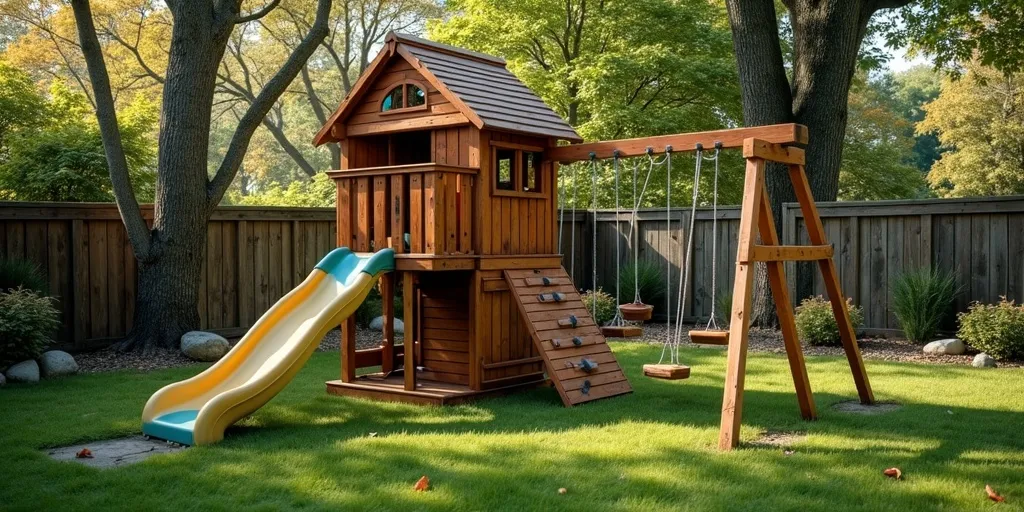
As kids get older, their use of playsets evolves to accommodate their changing interests and abilities. Younger children may use playsets primarily for imaginative play, such as pretending to be pirates on a ship or astronauts on a space station.
As they grow older, kids may engage in more physical activities on playsets, such as climbing, swinging, and sliding, which help develop their gross motor skills and coordination. Older children may also use playsets for socializing with friends, engaging in cooperative play, and developing important social skills like communication and teamwork.
Additionally, playsets can provide older kids with a sense of independence and autonomy as they navigate the challenges and obstacles presented by the equipment.
Overall, playsets continue to be a valuable and versatile tool for children of all ages, offering opportunities for physical activity, social interaction, and creative play as they grow and develop.

How do older kids use playsets for physical activities?
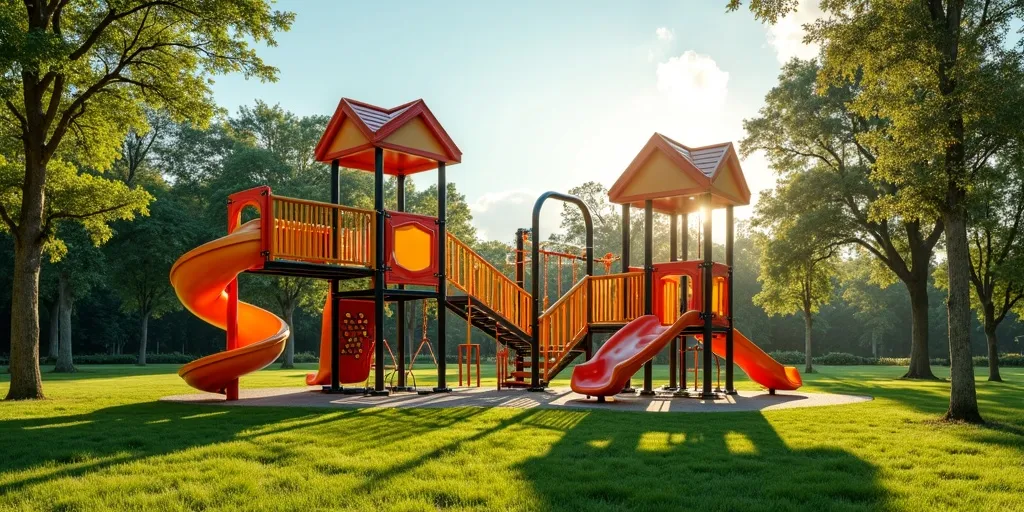
Older kids use playsets for physical activities in a variety of ways to promote their physical health and development. Playsets offer a fun and engaging way for older children to stay active and exercise.
They can climb on monkey bars to improve their upper body strength, swing on swings to work on their coordination and balance, and slide down slides to enhance their gross motor skills. Additionally, older kids can engage in imaginative play on playsets, which helps to stimulate their creativity and social skills.
Playsets also provide a safe environment for older children to engage in physical activities outdoors, away from screens and electronic devices. By using playsets, older kids can develop their physical abilities, improve their overall health, and enjoy the benefits of outdoor play.
Overall, playsets offer a versatile and effective way for older children to engage in physical activities that are both beneficial and enjoyable.
In what ways do playsets help older children develop social skills?
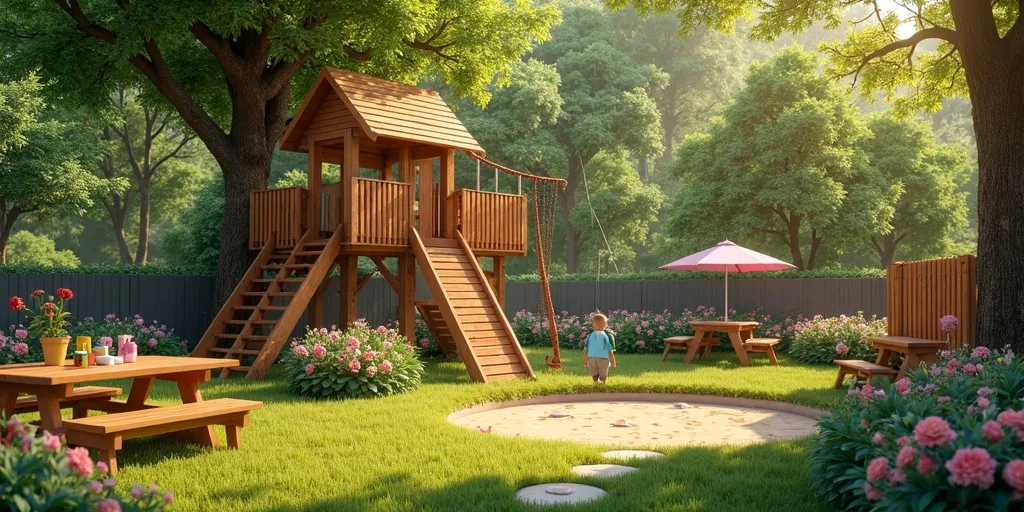
Playsets can be incredibly beneficial for older children in developing social skills in a variety of ways. Firstly, playsets provide opportunities for children to engage in cooperative play with their peers, which helps them learn how to communicate effectively, share, take turns, and work together towards a common goal.
This type of interaction fosters important social skills such as empathy, teamwork, and conflict resolution. Additionally, playsets often involve imaginative play scenarios that require children to take on different roles and perspectives, helping them develop their ability to understand and relate to others.
Through role-playing and pretend play, children can practice social interactions and learn how to navigate different social situations. Furthermore, playsets can also help older children develop leadership skills as they take on roles of organizing and directing group play activities.
Overall, playsets provide a fun and engaging way for older children to practice and refine their social skills in a safe and supportive environment.
How do playsets promote independence and autonomy in older kids?
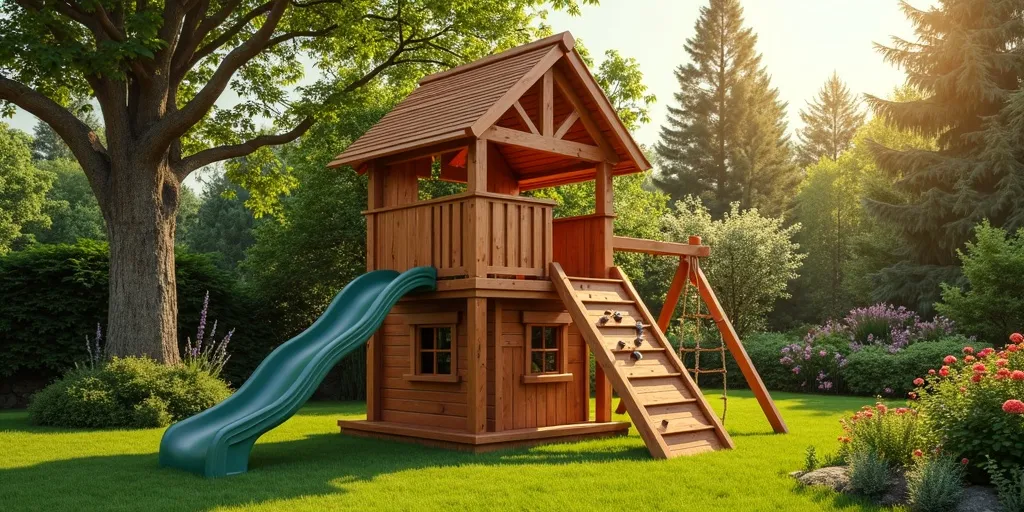
Playsets can promote independence and autonomy in older kids by providing them with opportunities for self-directed play and decision-making. When children engage with playsets, they are able to explore their interests, make choices, and solve problems on their own, which helps to build their confidence and sense of independence.
Playsets also encourage kids to use their imagination and creativity, allowing them to create their own narratives and scenarios without adult intervention. This freedom to play independently helps children develop important skills such as problem-solving, decision-making, and self-regulation.
Additionally, playsets offer older kids a sense of ownership and control over their play environment, giving them the autonomy to decide how they want to play and what activities they want to engage in.
By fostering independence and autonomy, playsets can help older kids develop a sense of responsibility, self-reliance, and self-confidence that will benefit them both in their play and in other areas of their lives.
What types of play do older children engage in on playsets?
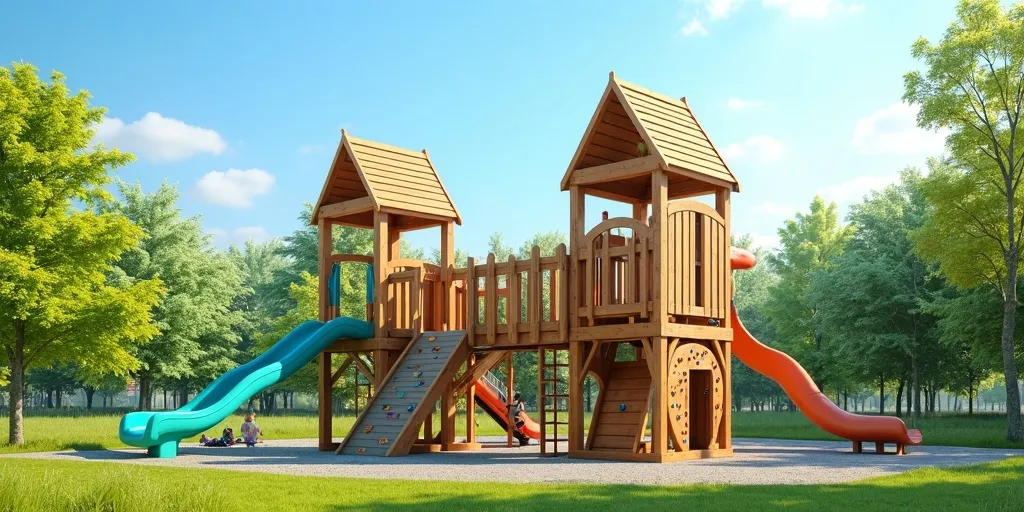
Older children engage in a variety of play activities on playsets that cater to their physical, social, and cognitive development. Some common types of play that older children participate in on playsets include imaginative play, such as pretending to be pirates or astronauts, which allows them to use their creativity and problem-solving skills.
They may also engage in physical play, such as climbing, swinging, and sliding, which helps them develop their gross motor skills and coordination.
Additionally, older children often engage in social play on playsets, interacting with their peers through games like tag or hide-and-seek, which helps them develop important social skills like cooperation and communication. Cognitive play is another type of play that older children may engage in on playsets, such as solving puzzles or navigating obstacle courses, which helps them develop their critical thinking and problem-solving abilities.
Overall, playsets provide older children with a range of play opportunities that support their overall development and well-being.