
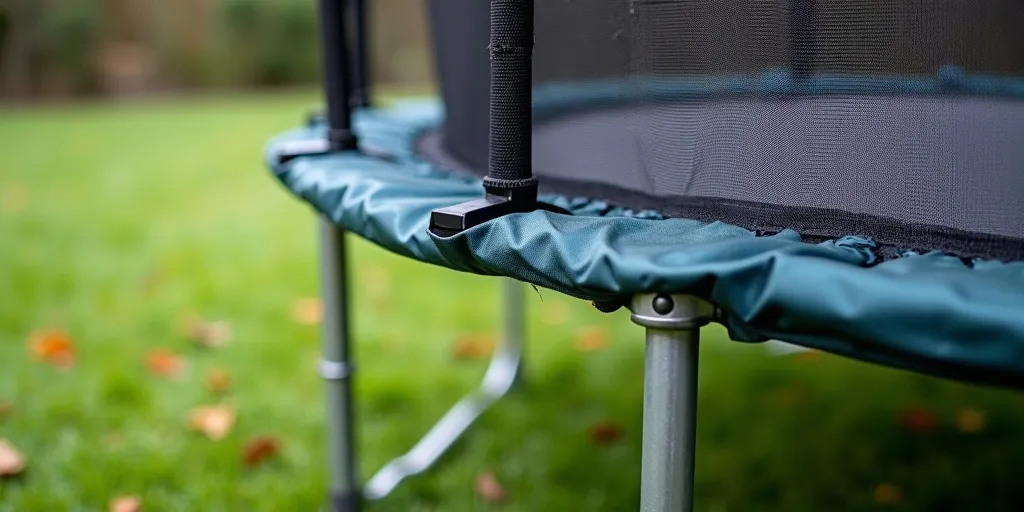
To ensure the safety and stability of a trampoline net, it is essential to follow a few simple steps. Begin by attaching the net securely to the frame using hooks or straps. Confirm that the net is fastened all around the trampoline to prevent any gaps.
Utilize bungee cords or zip ties to further secure the bottom of the net to the frame or legs. Adding heavy objects or sandbags along the bottom edge can help weigh it down. Regularly inspect for wear and tear, making necessary repairs. By taking these precautions, you can guarantee a safe and enjoyable bouncing experience for all.
How can you attach the net to the trampoline frame securely?
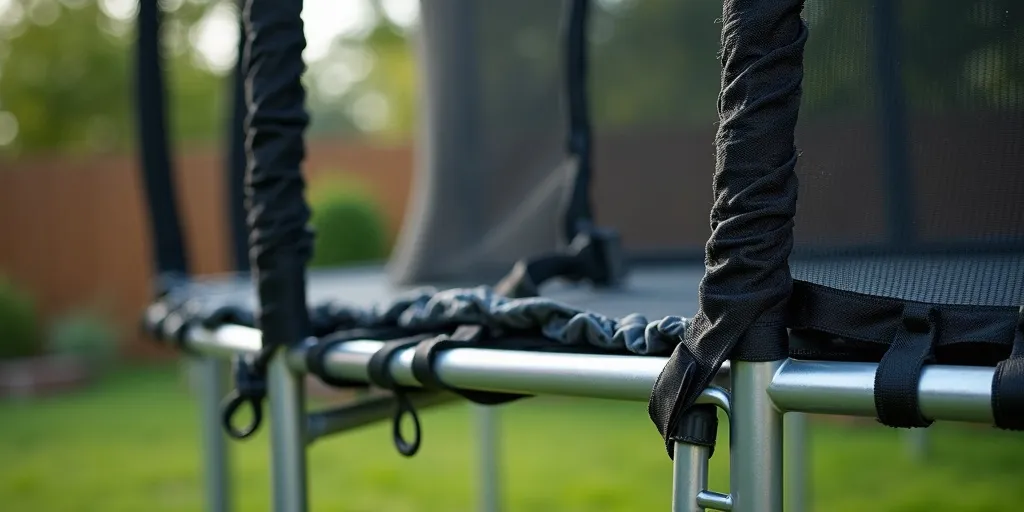
Attaching the net to the trampoline frame securely is essential for ensuring the safety of anyone using the trampoline. To do this, you can start by making sure that the net is the correct size for your trampoline and that it is designed to be attached to the frame.
Once you have the right net, you can begin by locating the attachment points on the frame where the net will be secured. These attachment points are typically located at regular intervals around the frame. Next, you can use zip ties or bungee cords to fasten the net to the frame at these attachment points.
Make sure to pull the net taut as you secure it to the frame to prevent any gaps that could pose a safety hazard. Additionally, you can reinforce the attachment by using additional zip ties or bungee cords as needed.
Finally, double-check all the attachments to ensure that the net is securely fastened to the frame before allowing anyone to use the trampoline. By following these steps, you can attach the net to the trampoline frame securely and provide a safe jumping experience for everyone.
What additional items can be used to further secure the bottom of the net?
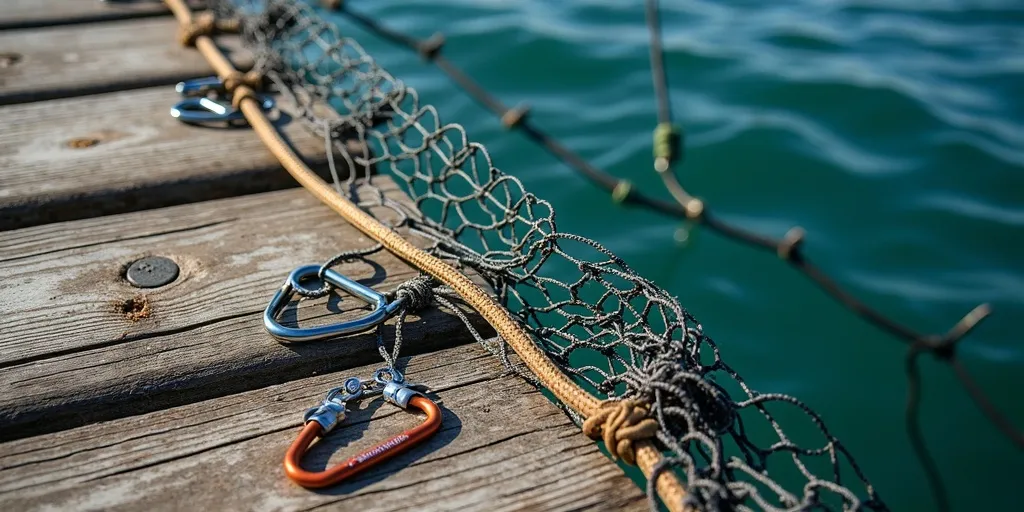
To further secure the bottom of the net, there are several additional items that can be used to ensure stability and prevent any potential hazards. One option is to use sandbags or weights to anchor the net in place and prevent it from shifting or moving during use.
These can be placed strategically along the bottom edge of the net to provide added support and prevent any gaps or openings that could compromise safety. Additionally, using ground stakes or anchors can help secure the net to the ground and prevent it from being lifted or blown away by strong winds.
These can be inserted into the ground at regular intervals along the bottom edge of the net to provide extra reinforcement. Finally, using bungee cords or tie-down straps can help secure the net tightly to surrounding structures or poles, further enhancing its stability and preventing any potential accidents.
By utilizing these additional items, you can ensure that the bottom of the net is securely fastened and provide a safe and reliable playing environment for all users.
What steps can be taken to prevent the net from sagging or coming loose?
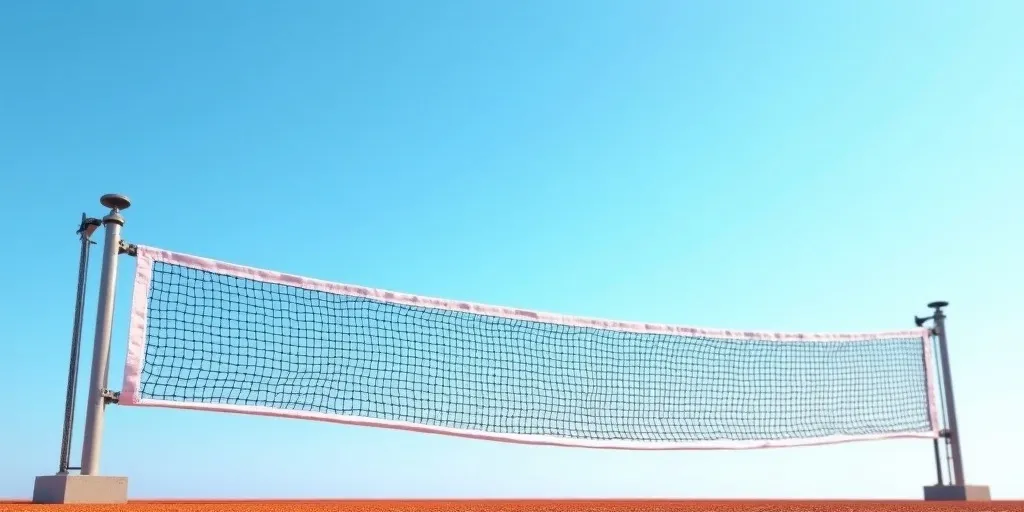
To prevent the net from sagging or coming loose, there are several steps that can be taken to ensure a secure and stable setup. Firstly, it is important to regularly check the tension of the net and adjust it as needed. This can be done by tightening the net straps or ropes to keep it taut and in place.
Additionally, installing proper support systems such as poles or posts can help to keep the net in position and prevent it from sagging. It is also crucial to regularly inspect the hardware and connections of the net to ensure that everything is secure and in good condition.
Furthermore, using high-quality materials for the net and its attachments can help to prevent wear and tear that may lead to sagging or loosening. By taking these proactive measures and staying on top of maintenance, you can effectively prevent the net from sagging or coming loose, ensuring a safe and enjoyable experience for all users.
How do you maintain the effectiveness of the net over time?

To maintain the effectiveness of the net over time, it is essential to regularly inspect and repair any damages or wear and tear. This includes checking for holes, tears, or weak spots that could compromise the net’s ability to catch fish or other objects.
By promptly addressing any issues, you can ensure that the net remains in good working condition and continues to perform its intended function. Additionally, it is important to properly clean and store the net after each use to prevent damage from exposure to harsh elements or improper handling.
Storing the net in a dry, cool place away from direct sunlight can help prolong its lifespan and maintain its effectiveness. Regular maintenance, such as replacing worn-out parts or retying loose knots, can also help extend the net’s longevity and ensure that it remains a reliable tool for fishing or other activities.
By taking these simple steps to care for your net, you can enjoy its benefits for years to come.