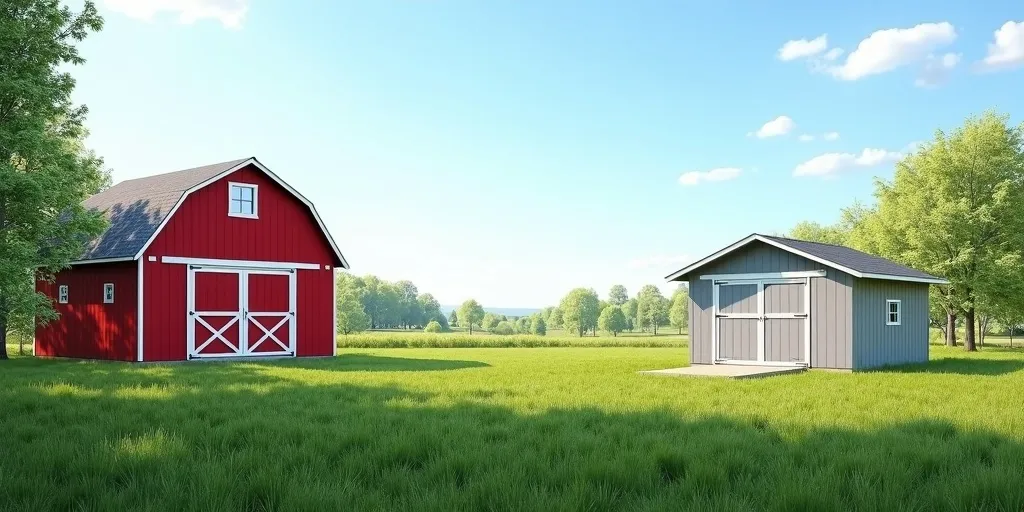
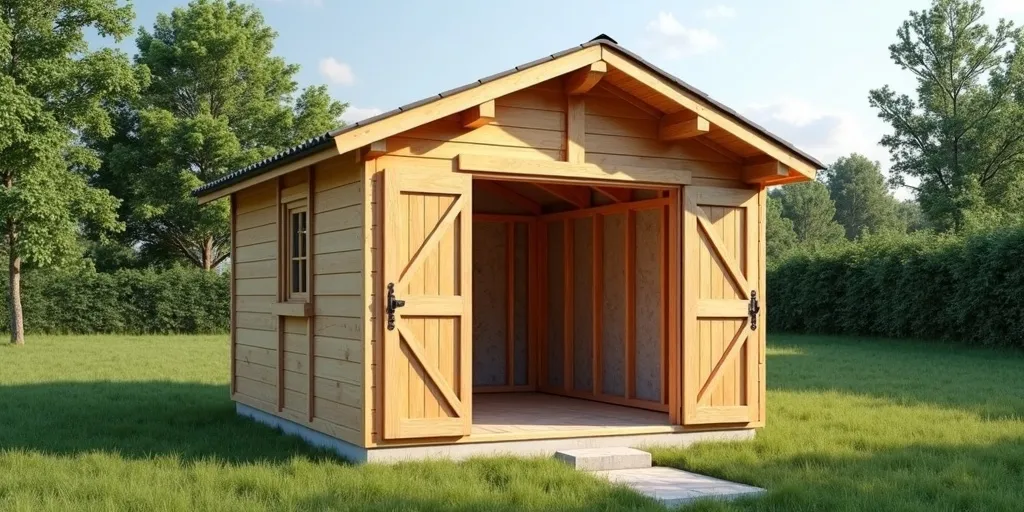
To insulate a storage shed, you will need to follow a few simple steps to ensure that it remains warm and protected from the elements. First, you will need to choose the right type of insulation for your shed. This can include fiberglass batts, foam board, or spray foam insulation.
Next, you will need to measure the walls, ceiling, and floor of your shed to determine how much insulation you will need. Once you have your insulation, you can begin installing it by cutting it to size and securing it in place with staples or adhesive.
Make sure to seal any gaps or cracks in the walls or ceiling to prevent air leakage. Additionally, you may want to consider adding a vapor barrier to further protect your shed from moisture. Finally, don’t forget to insulate any windows or doors in your shed to ensure maximum efficiency.
By following these steps, you can effectively insulate your storage shed and keep it warm and cozy all year round.
What are the steps to insulate a storage shed?
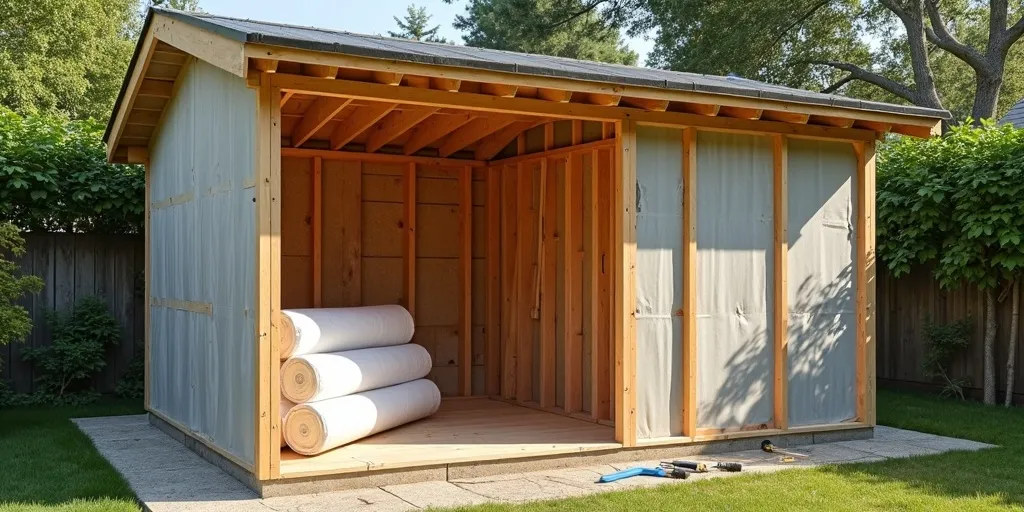
To insulate a storage shed, there are several steps you can take to ensure that it remains warm and protected from the elements. First, you will need to gather the necessary materials, including insulation batts or rolls, a utility knife, a staple gun, and protective gear such as gloves and a mask.
Next, you will need to measure the walls, ceiling, and floor of the shed to determine how much insulation you will need. Once you have your measurements, you can begin cutting the insulation to fit the walls and ceiling, making sure to leave space around any electrical outlets or fixtures.
Use the staple gun to secure the insulation in place, making sure to cover all areas evenly. Finally, seal any gaps or cracks with caulk or foam insulation to prevent any drafts from entering the shed. By following these steps, you can effectively insulate your storage shed and ensure that it remains a warm and comfortable space for storing your belongings.
Which types of insulation are suitable for a shed?
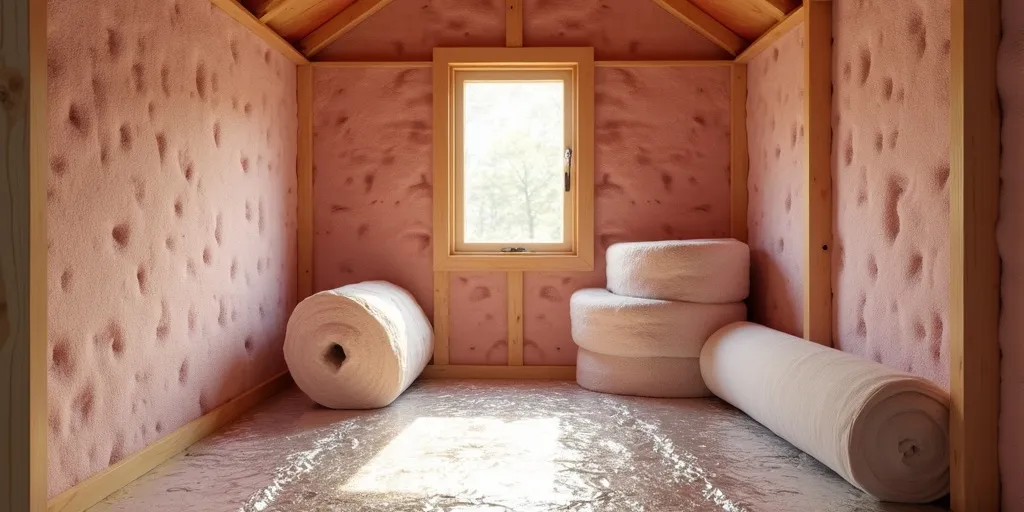
When it comes to insulating a shed, there are several types of insulation that are suitable for this purpose. One popular option is fiberglass insulation, which is easy to install and provides good thermal resistance. Another option is foam board insulation, which is lightweight and offers excellent insulation properties.
Reflective insulation, such as radiant barriers, can also be effective in reducing heat transfer. Additionally, spray foam insulation is a versatile choice that can fill gaps and cracks to prevent air leakage. It is important to consider the climate and intended use of the shed when choosing the right type of insulation.
For example, in colder climates, a higher R-value insulation may be necessary to keep the shed warm during the winter months. Overall, the best type of insulation for a shed will depend on factors such as budget, ease of installation, and desired level of insulation.
By selecting the appropriate insulation material, you can ensure that your shed remains comfortable and energy-efficient throughout the year.
How do you measure for insulation in a shed?
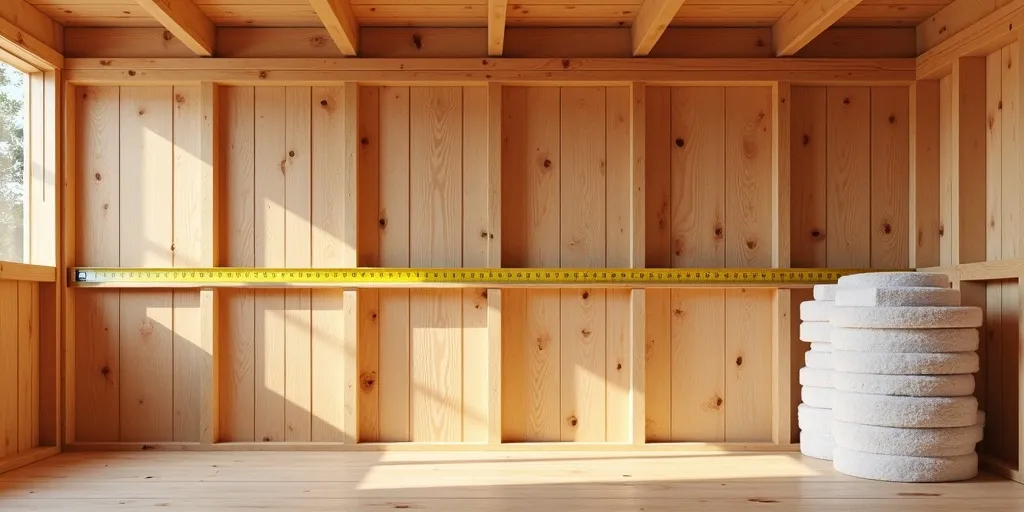
When measuring for insulation in a shed, it is important to first determine the square footage of the space that needs to be insulated. This can be done by measuring the length and width of each wall and then multiplying these measurements to get the total square footage.
Once you have this number, you can then calculate how much insulation material you will need based on the R-value required for your climate zone. The R-value is a measure of the insulation material’s ability to resist heat flow, with higher R-values indicating better insulation.
It is important to choose the right type of insulation for your shed, whether it be fiberglass, foam board, or spray foam, based on your specific needs and budget. Additionally, don’t forget to measure any windows or doors in the shed that may also need insulation. By taking accurate measurements and selecting the appropriate insulation material, you can ensure that your shed is properly insulated and energy-efficient.
Why is sealing gaps important when insulating a shed?
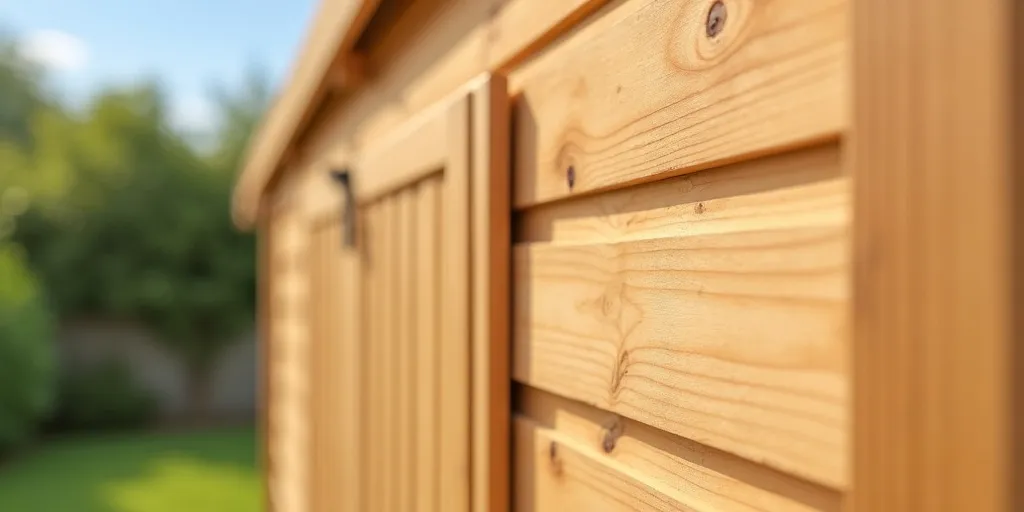
Sealing gaps is crucial when insulating a shed because it helps to create a more effective barrier against heat loss and drafts. By sealing gaps, you prevent warm air from escaping in the winter and cool air from seeping out in the summer, ultimately leading to lower energy bills and a more comfortable indoor environment.
Additionally, sealing gaps can also help to keep out pests and moisture, which can cause damage to the shed and its contents over time. By taking the time to properly seal all gaps and cracks, you can ensure that your shed is well-insulated and protected from the elements year-round.
This simple step can make a significant difference in the overall energy efficiency and durability of your shed, ultimately saving you time and money in the long run. So, whether you are using your shed for storage, as a workshop, or as a living space, sealing gaps is an important part of the insulation process that should not be overlooked.